community
Kolkata Food Crawls and Colonial Tours Pack City's Best Into Hours
From colonial architecture tours to 13-tasting food crawls, affordable guided experiences reveal the city's layered past and present.
How we reported this
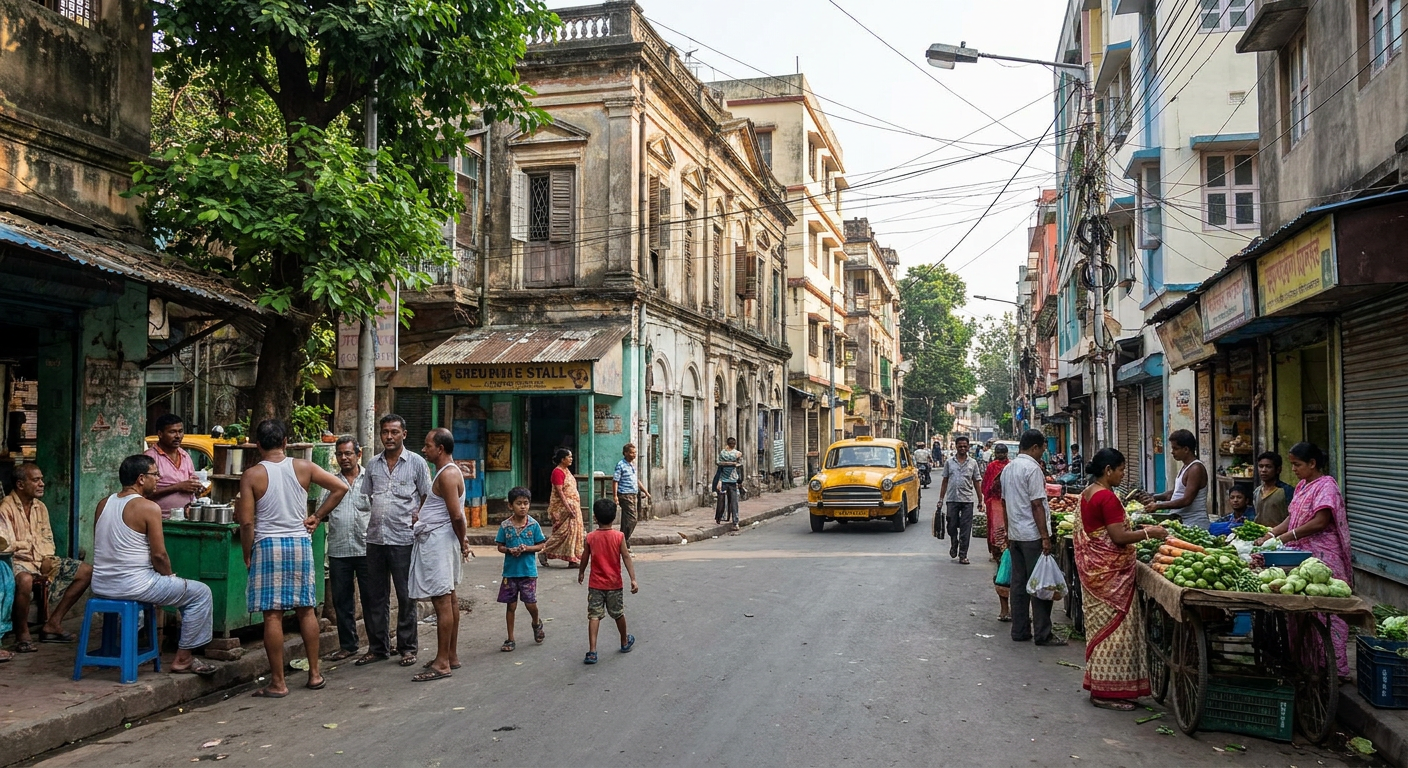
Kolkata's best itineraries don't require a week-they require three or four hours and about $30 to $40. A handful of guided walking and food tours have become the most efficient way to navigate the city's sprawl, bundling history, architecture, and neighbourhoods that can be hard to reach on one's own.
The Cultural Confluence of Kolkata walking tour, for example, covers Bow Barracks, old Chinatown, and the Jewish and Armenian quarters in roughly three hours. Cost is approximately $40, according to TripAdvisor listings [Source 1]. The tour stitches together the city's ethnic enclaves-a route designed for visitors who want to see how communities from Europe, East Asia, and the Middle East shaped the city.
For those more interested in eating, the Bengali Nights Food Tour offers over 13 tastings of local dishes and drinks, including coconut sherbet, across four hours-and all for under $40, per GetYourGuide [Source 2]. It is a deep dive into home-style Bengali cooking and street snacks, led by local guides who navigate hidden lanes and evening-market stalls.
Colonial Stone and Flower Markets
History-minded visitors gravitate toward the Raj Heritage Walk, a three- to four-hour ramble through colonial-era landmarks such as Town Hall and Writer's Building. The tour, which includes tea and water, costs $30 [Source 3]. The route focuses on the British administrative core, where granite facades still bear the names of 19th-century architects and clerks.
Another option, the Kolkata Local Market Tour, swings through College Street's secondhand bookstores, India's largest fruit market in Burrabazar, and finishes at a hidden rooftop cafe [Source 4]. It is a sensory overload: the fruit market alone draws wholesale buyers from across the state, while College Street's pavement sellers stack thousands of used textbooks, novels, and academic journals.
Beyond the structured tours, several independent stops recur in guides and traveller reviews. Kumartuli-the idol-making neighbourhood-is a perennial favourite. Artisans there shape clay deities for Durga Puja and other festivals, often allowing visitors to watch them work. The Kolkata Flower Market, located beneath Howrah Bridge, operates at dawn and fills the riverbank with marigolds, roses, and lotuses. The Victoria Memorial, a marble monument built during the Raj, anchors the southern end of the Maidan and houses a museum of colonial artefacts [Source 5].
Practical Advice
All four tours can be booked online through major platforms such as TripAdvisor, GetYourGuide, and Viator, where dates and availability are listed. Guides typically meet participants at a central location and manage entry fees. The tours run in English and often in Hindi or Bengali.
Given the heat and humidity that persists through July and August, morning or late-afternoon departures are recommended. The food tour, in particular, is an evening affair that benefits from cooler temperatures and active street-food stalls.
Whether you choose colonial history, street food, or a market crawl, these tours compress Kolkata's complexity into manageable, affordable blocks-no planning required beyond showing up.